
How we scaled the back office of our own brokerage with Modus
Modus was born in our own brokerage at SureIn. This case study describes exactly that operation: a digital commercial broker with around 2,000 commercial customers.
David · Management, SureIn
2,000
commercial customers via digital funnels
350
emails per week in back office
3 hrs
up to three hours a day given back for advisory
Industry
Digital insurance broker, commercial focus
Size
Around 2,000 commercial customers, 3 to 4 people in the back office
In use
Modus as an operational layer over the MVP and Outlook, live in our own operation
We grew faster than the back office
Through digital funnels, we grew very quickly to around 2,000 commercial customers. With that growth, the operational load in the back office rose sharply.
Growth was never the problem. The operational load behind it was. Every new customer brings ongoing communication, documents, deadlines, and cases that someone has to structure and handle:
- repetitive standard tasks
- follow-ups that no one is allowed to forget
- lengthy processes with insurers
- pressure on service levels and handling times
1 Std.
went each morning just to sort the inbox before the actual work began.
Every message went through the same manual process
In an average week, around 300 emails came in and about 50 went out, plus documents from insurers. Around 350 per week.
Growth, more admin, more staff
More growth automatically meant more administrative work. Every task was essential, but it created no direct value. We faced a decision: add staff proportionally, or change the way work is created in our firm.
Three structural levers instead of more staff
We placed an operational layer over our existing systems. That is exactly what Modus is today. Operational control stays entirely with us. The AI makes no decisions. It structures information and prepares cases; we review and approve.
Connect systems instead of switching them
The operational layer sits on top of our existing infrastructure and connects it rather than replacing it. No one had to switch the broker management system, migrate book-of-business data, or jump between several interfaces to finish a case.
No system switching, no double data entry
Universal Inbox
Email, WhatsApp, BiPRO documents, appointments, and phone come together in one inbox. Incoming messages and documents are processed automatically. Communication becomes structured cases with a summary, ownership, and priority.
Context right there, instead of scrolling back through three emails
Automating recurring work
Templates for the same standard cases, follow-ups now held by the system, and reminders that trigger automatically. Reply drafts are created from the case and customer context. The human reviews and approves. The AI sends nothing on its own.
Structure before automation
A real case, step by step
Example: address change. A case that comes up every day for us too and shows what concretely changes in daily work.
Inbox · Client email
„Hello, we've moved. Please update our address for all active policies. New address: Musterstraße 12, 10115 Berlin.“
Read the email, find the client in the BMS, pull the affected policies, change the address in every policy, write a confirmation, document the case.
- Modus recognises the case type address change and automatically assigns the email to the right client and their policies.
- It creates a structured case with a task, owner and priority.
- It drafts a reply with the new address. The employee reviews and sends.
Mornings used to be mostly sorting: what's important, what can wait, who's responsible, where the case had stalled. Today most of it is already assigned, and no one starts from scratch on an email anymore.
More cases. Same team.
Administration hasn't disappeared. But it no longer dictates the day. Cases no longer pile up, which takes the pressure off service-level agreements. And the follow-up anxiety, the fear of forgetting something, we've handed over to the system.
„We grew very fast through digital funnels, and that is exactly what pushed our back office to its limit. Today we handle more cases with the same team, because the repetitive work no longer lands on us and cases reach us already structured and prepared. The back office is calmer, and we have time again for the conversations customers actually hire us for.“
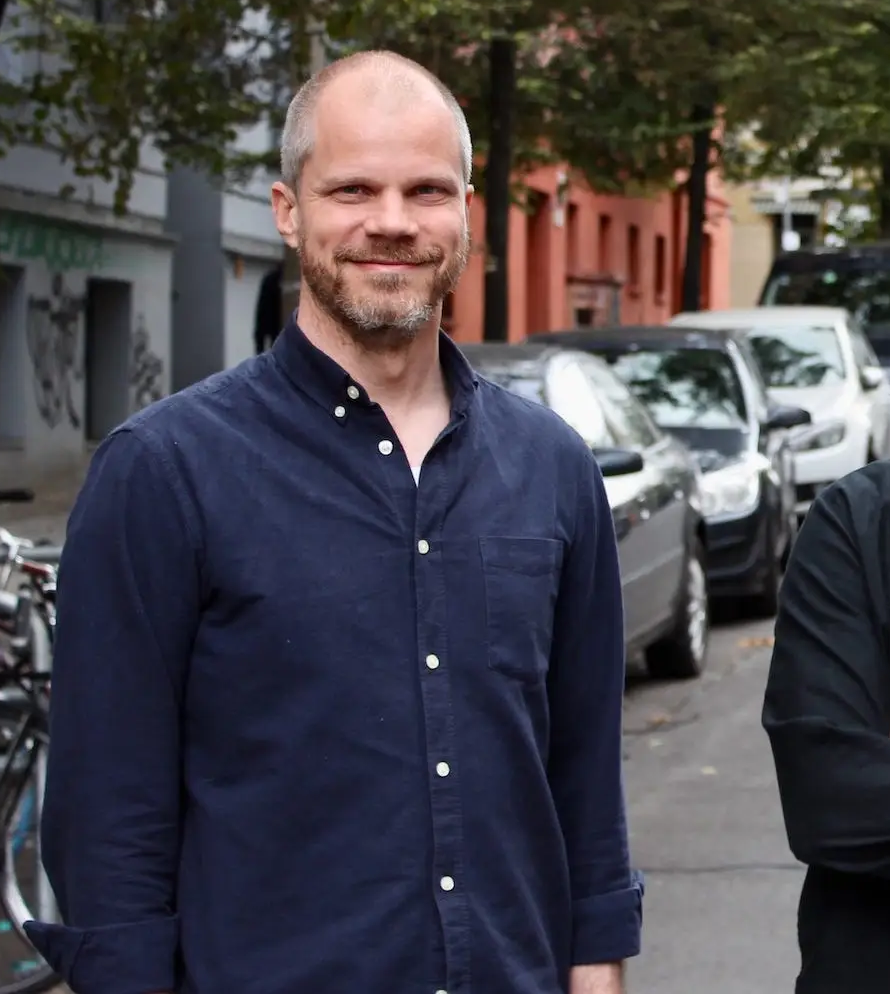 David, Management, SureIn
More time for advisory
bis zu 3 Std.
per agent per day that are no longer tied up in operational routine. More than two of those hours were visible early on.
Growth without proportional staff growth
More volume used to mean more headcount. Today we handle more cases with the same team. The back-office role has shifted: from doing the work to reviewing and approving it.