Aug 19, 2026
NEWS & INSIGHTS
AI, Automation, and the Future of Brokerage.
Insights, product updates, and research on AI and automation - and how new technologies are changing the way modern brokerages work, operate, and grow.
Aug 13, 2026
Inbox zero in the brokerage: how to touch every request exactly once
Aug 10, 2026
Checking documents and policies automatically: how AI captures and files paperwork in the brokerage
Aug 6, 2026
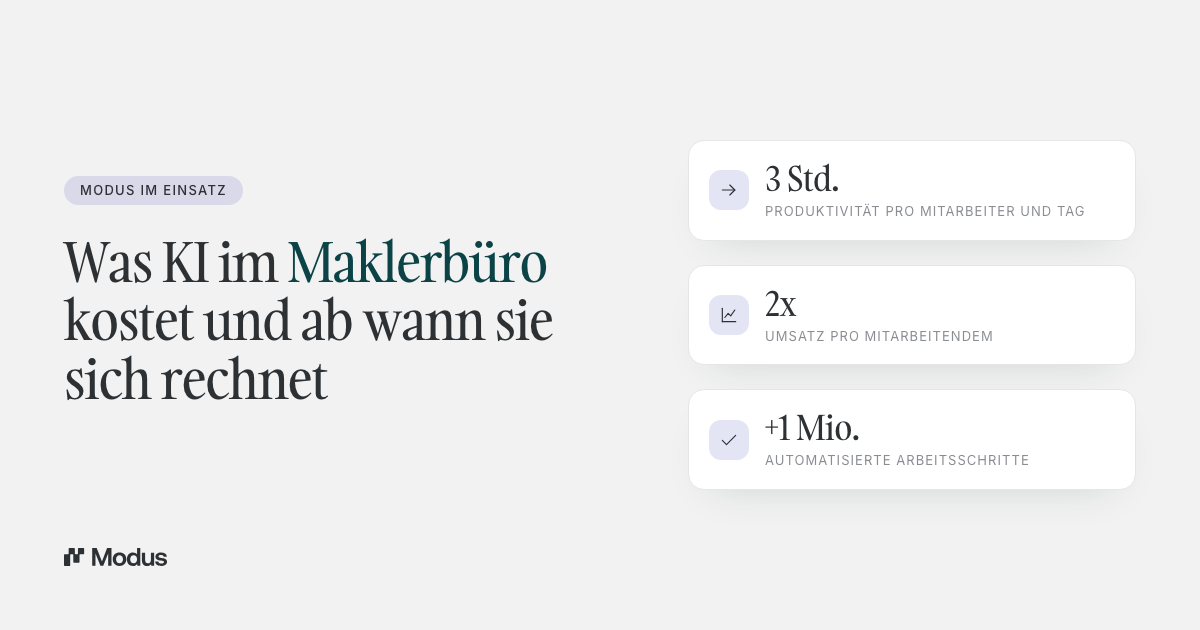
What AI costs in the brokerage and when it starts to pay off
Aug 4, 2026
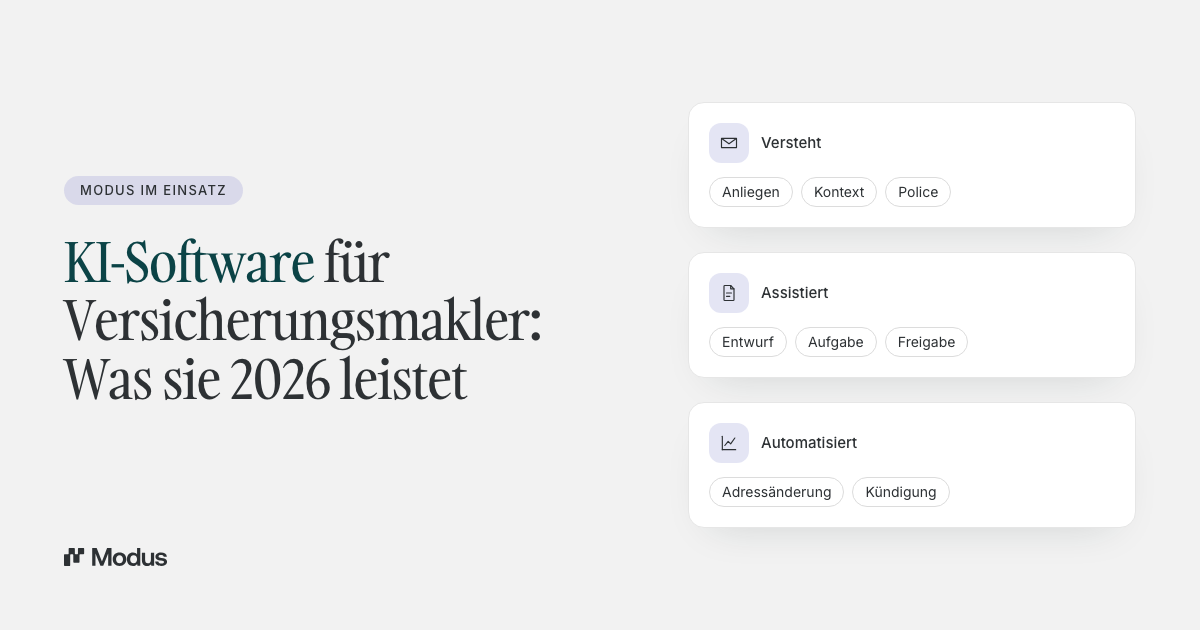
AI software for insurance brokers: what it does and what matters in 2026
Aug 3, 2026
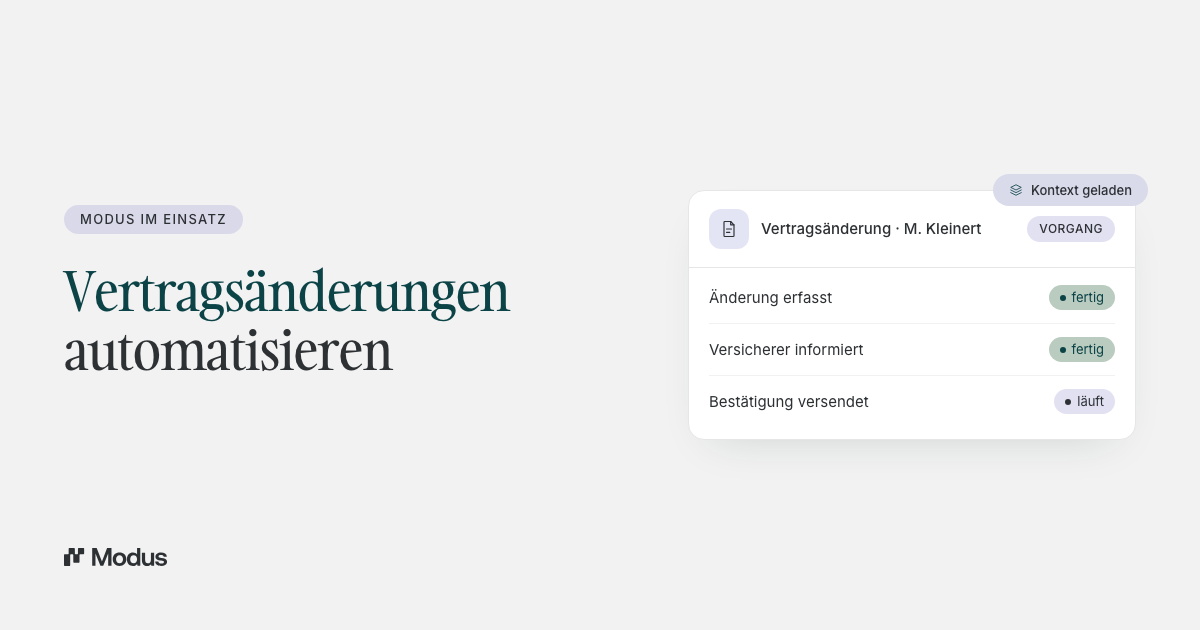
Automating policy changes: how insurance brokers handle servicing tasks with AI
Jul 27, 2026
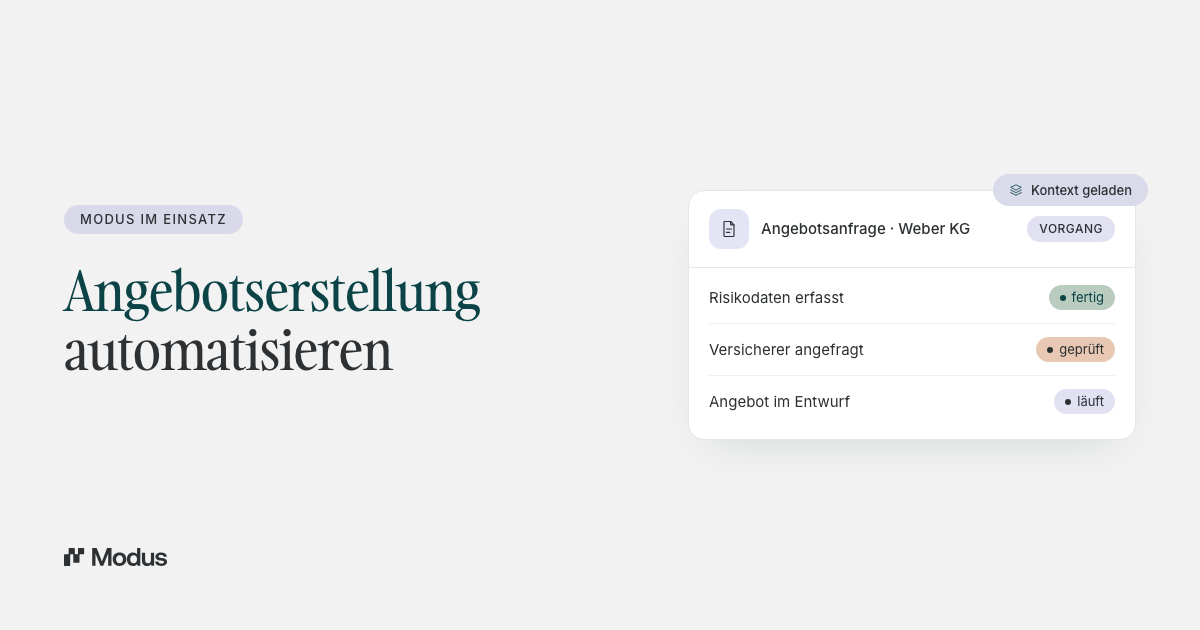
Automating quote creation: how insurance brokers handle quote requests with AI
Jul 22, 2026
The most common mistakes in AI onboarding at a brokerage
Jul 21, 2026
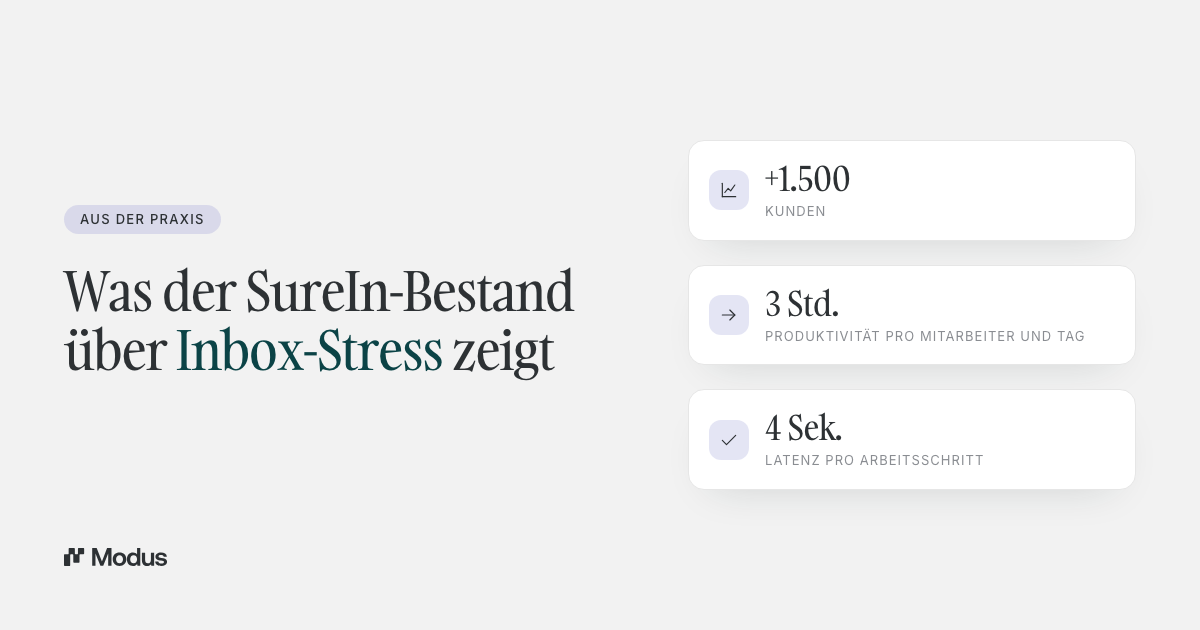
What we learned about inbox stress from 2,000 SureIn clients
Jul 20, 2026
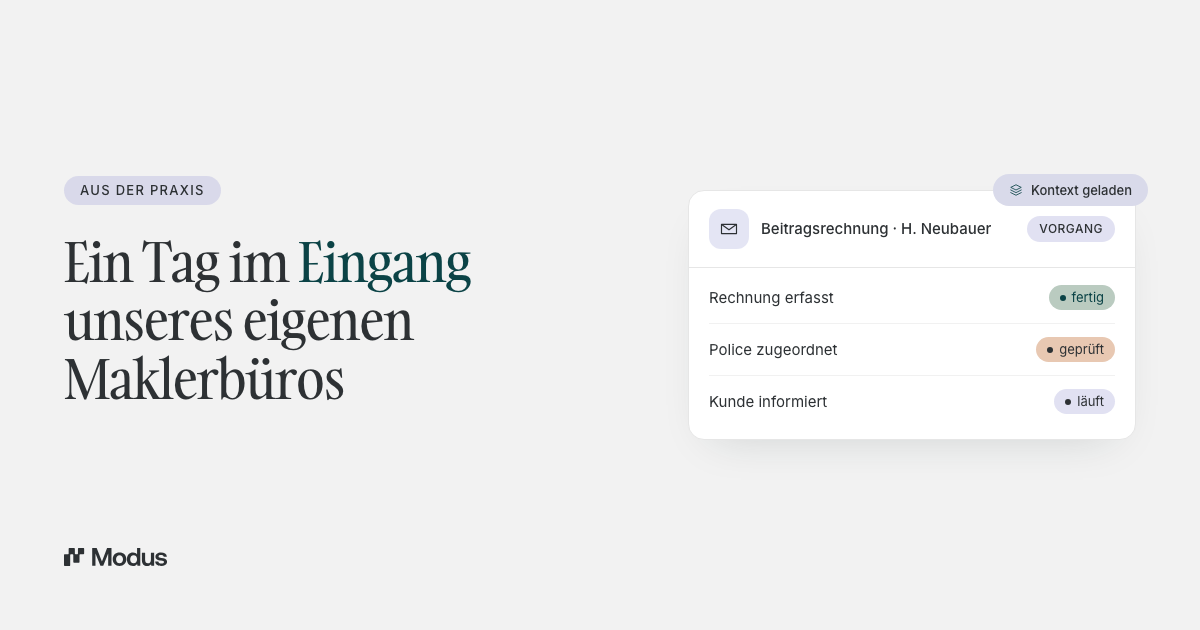
A Day in the Inbox of Our Own Brokerage
Jul 6, 2026
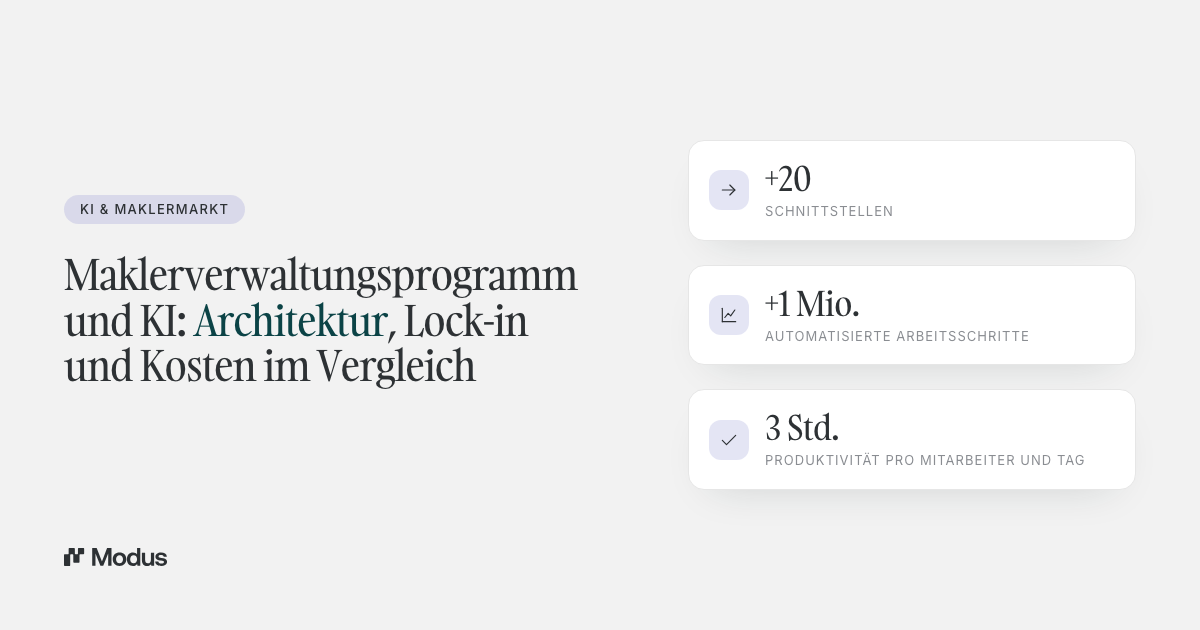
Broker Management Software and AI: Architecture, Lock-In and Cost Compared
Jun 28, 2026
AI-enabled broker management software: which architecture actually carries your business
Jun 16, 2026
How to choose the right software for your brokerage in 2026
Jun 12, 2026
Management system vs. operating system: what brokerages really need in 2026
Jun 10, 2026
What an "operating system" for insurance brokers actually is
Jun 8, 2026
Why automation without structure is dangerous in insurance
Jun 5, 2026
The difference between an AI feature and AI infrastructure
Jun 3, 2026
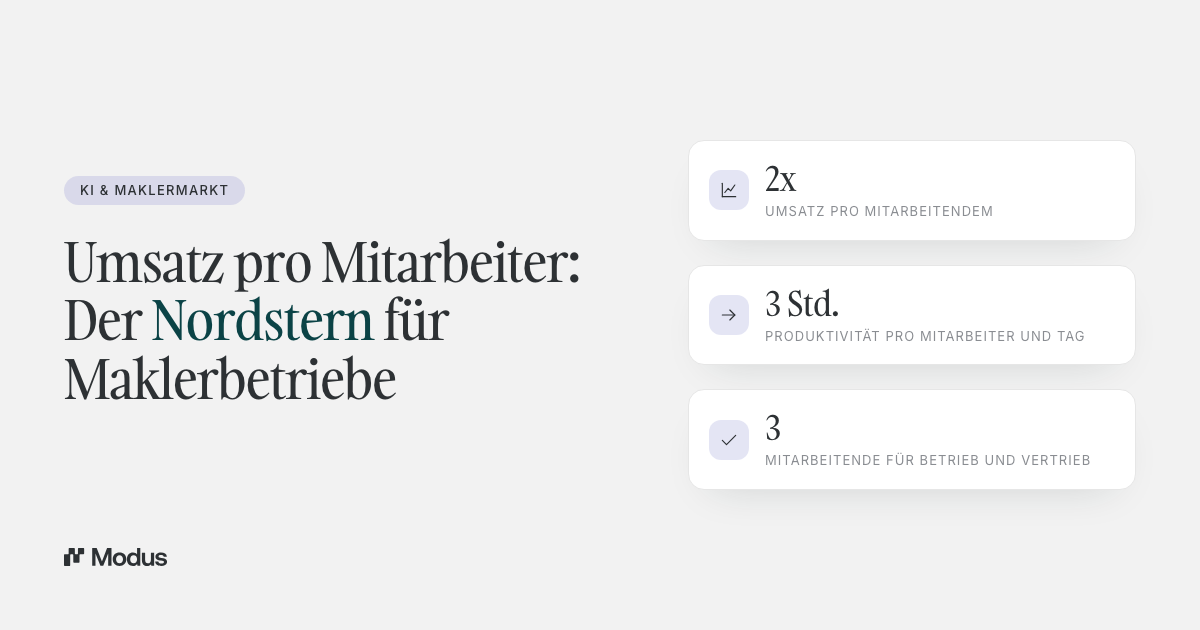
Revenue per employee: the north star every brokerage should be measured against
May 27, 2026
EU AI Act from August 2026: what insurance brokers need to prepare now
May 26, 2026
The capacity traps of brokerages
May 25, 2026
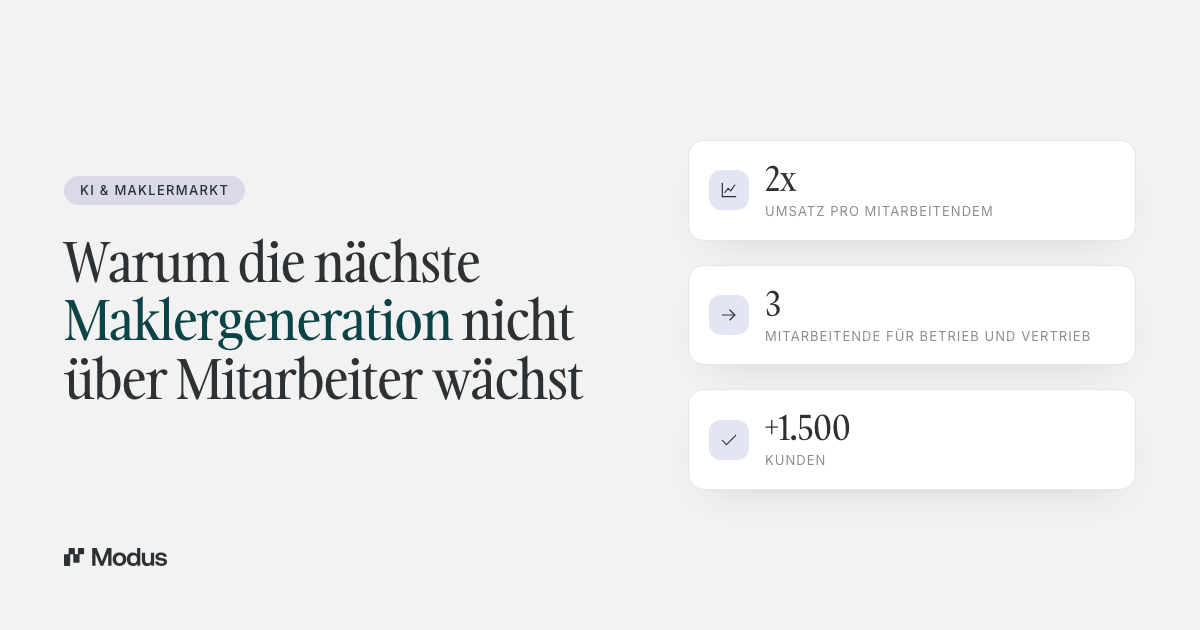
Why the next generation of brokerages won't grow through headcount
May 18, 2026
How AI is changing the insurance broker's business model
Ready to decouple growth from complexity and headcount?
Frequently asked questions about AI for insurance brokers
Most tools that call themselves that are chat assistants with insurance branding. They draft an email or summarize a document — nothing more. Modus is built differently: it reads what a request is about, assigns it to the right client and carries the case through several systems, instead of just handing you a text snippet. The difference between “helps you write” and “gets the task done” is exactly the point.
It depends on the tool stack you already have. If you work with Ameise or Professional Works, you don't need another standalone island on top, but something that works across your existing systems. Modus sits as a layer over your stack — not as yet another tool beside it.
Yes, that's essentially the core job of the Modus Inbox. Email, WhatsApp, document — it comes in, gets assigned to the right client and case, and the next step is already suggested. The employee confirms, tweaks something small, or lets it run. That's it.
Not completely yet, and that isn't the goal on day one either. In the beginning the AI prepares the reply and a human approves it — a classic copilot. The more cases run through, the more routine cases run on their own, without anyone looking. Anything that deviates from the standard still lands with a human. That's by design, not a limitation.
The market roughly ranges from a few euros per user per month to several hundred euros for deeply automated workflows — depending on how much the tool actually takes over. Modus starts with a per-seat price, transparent and without fine print, and only grows into usage-based models once there's enough real usage data to price fairly. Important: the market range above is a market range, not a Modus price — the current Modus terms are listed separately on the product page.
If it only saves time, the effect is smaller than you'd think — an hour saved per day is nice, but changes little about the business. It gets interesting only when the freed-up capacity flows into real new business and cross-selling. That's why revenue per employee is the metric this can actually be measured by — not minutes per case.
Not with a specialist module, but with communication — every case starts there anyway, and that's where the effort is lowest for the value it delivers. From there the rest builds up logically: first new business, then portfolio, then claims and service. Each step uses the context the previous one already collected.
No, and that's not the plan. The BMS stays where contracts and billing are managed — Modus lays itself as a work layer on top, writing directly back into systems like Ameise or Professional Works. No switch, no migration. The work simply happens increasingly in Modus, not in the BMS anymore.